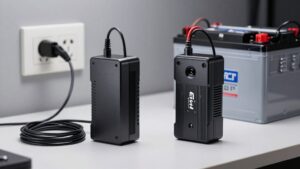
How to Store RC LiPo Batteries Safely Between Runs
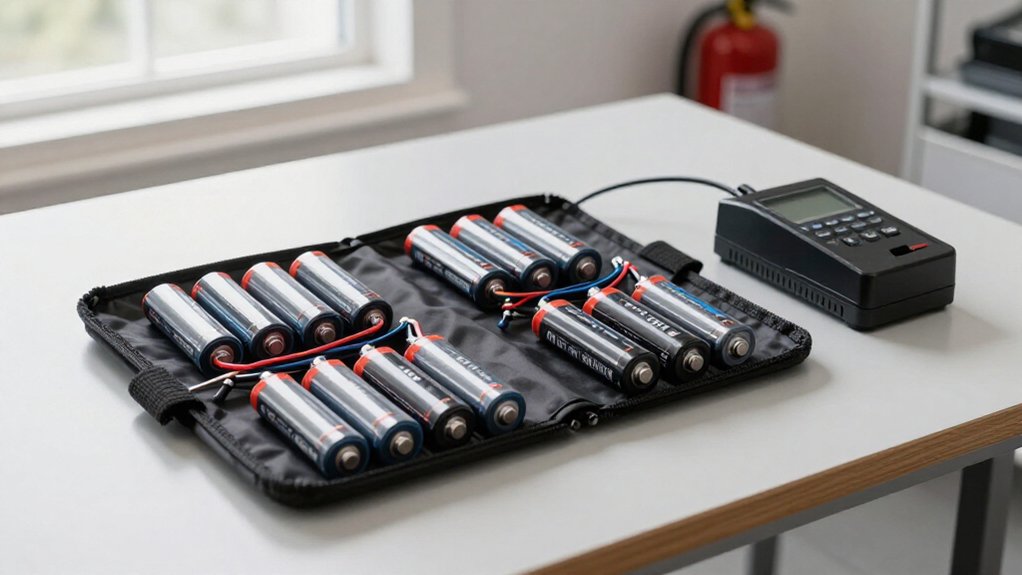
After each run, disconnect and remove your pack; grip the connector, not wires, and inspect it. Let it cool to room temperature, then store it dry in a fire-resistant, vented container, away from heat and direct sun.
For use within 24 to 48 hours, a full 4.2 volts per cell is generally acceptable; otherwise, use Storage Mode for 3.80 to 3.85 volts per cell. Don’t store damaged or puffed packs. The checks below help you keep every pack safer.
Post-Run Storage Voltage
Inspect the battery first. If you find swelling, damage, or a puncture, don’t charge or discharge it. A full 4.2 volts per cell creates greater chemical stress when the pack sits for more than a few days.
If you’ll use it within 24 to 48 hours, a full charge is generally acceptable; otherwise, return it to storage voltage after use. Check the displayed cell readings before disconnecting.
LiPo-Safe Storage Container
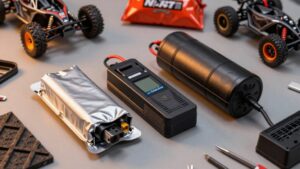
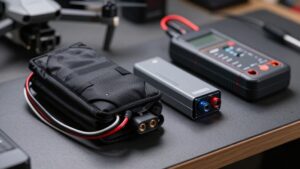
Once your packs are at storage voltage, place them in a fire-resistant container, such as a LiPo-safe bag or a vented metal ammo can. A LiPo bag may slow a fire but can’t contain its heat; treat it as a precaution, not complete protection. If you choose an ammo can, remove its rubber seal so heat and gases can escape instead of building pressure.
Keep the container in a cool, dry, climate-controlled place around 40 to 70°F (5 to 21°C), away from direct sunlight. Store packs at 3.80–3.85 volts per cell to reduce chemical stress while limiting excessive self-discharge. Use this checklist:
- Choose a LiPo-safe bag or vented can.
- Remove the ammo can’s rubber seal.
- Keep storage near 40 to 70°F (5 to 21°C).
- Keep the container away from sunlight.
Cool Batteries Before Storage
After a run or charge, let your LiPo batteries cool to room temperature before storing them; don’t put away a hot pack.
While they cool, watch for unusual heat, swelling, or damage. Never store a puffed or damaged pack. Move cooled batteries to a dry, climate-controlled place kept around 40 to 70°F (5 to 21°C). If you won’t use a battery for more than three days, set it to 3.80 to 3.85 volts per cell with Storage Mode.
| Cooling sign | Your action | Why it matters |
|---|---|---|
| Warm pack | Wait | Heat lingers |
| Unusual heat | Don’t store | Warning sign |
| Swelling | Never store | Pack may fail |
| Damage | Isolate safely | Reduce risk |
Let the pack cool naturally; don’t use water or a refrigerator. Once cool, use Storage Mode before returning it to storage as needed.
Inspect Connectors for Damage
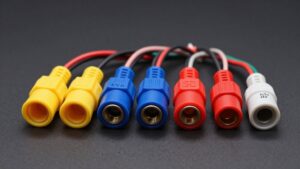
Before storage, inspect the main connector and balance plug for cracked or melted housings, bent or dirty contacts, and loose wires or solder joints. Don’t store or use a pack with damaged connectors; have a qualified person service it or retire it safely. Keep terminals capped or insulated and away from metal to prevent shorts and fire.
Check Connector Housing
Inspect both the main power and balance connector housings before storing a LiPo. Look for cracks, melting, discoloration, or looseness that could expose or misalign internal contacts. Check the plastic around each opening and where wires enter the housing. Look for fraying, pulled wires, or split insulation at these joints; exposed conductors can touch and cause a short.
Keep both connector housings intact and free of damage while the battery is in storage. Don’t force a plug that fits poorly, since resistance may indicate misalignment or damage. If you find a cracked, melted, loose, or otherwise damaged housing, don’t use the battery. Arrange a safe repair or replacement before reconnecting it or returning it to service. Store separately from equipment until repaired or replaced.
Inspect Pins and Contacts
Once the housings are sound, check the main power connector and balance plug for bent, loose, corroded, or recessed contacts before storing the LiPo between runs. Use good light and examine each contact without pulling or bending it. Check that pins sit firmly in the housing and that no corrosion or debris obstructs the mating surface.
Also inspect nearby wires and housings for cracks, fraying, or damage that could expose conductors or create a short. Don’t use or store a pack with damaged contacts or wiring; have it assessed by a technician or replace it rather than attempt an unsafe repair. Before storage, keep exposed terminals from touching metal or one another. Cover or secure the connector ends so they can’t make accidental contact.
Look for Heat Damage
Even if a LiPo looks intact, check its power connectors and balance lead for melted or discolored plastic, scorching, loose contacts, and exposed wires before storing it between runs.
Inspect the balance plug as carefully as the main power plug; damage to either can compromise safe handling. Keep the battery disconnected during inspection, and treat warped plastic as a warning sign, too. Check that contacts sit firmly and show no overheating; a poor connection can raise resistance and generate heat during use. If connector plastic is scorched, softened, or cracked, or conductors are exposed, don’t store or reconnect the pack. Have it assessed or safely retire it; don’t attempt an unsafe repair. Also check for puffing: never charge, discharge, or repair a puffed pack.
Check Wires and Solder
Before storing a LiPo, check its main leads and balance wires for cuts, fraying, loose connections, or exposed conductor. Check connectors for cracked housings, bent contacts, discoloration, or signs of overheating. These defects can prevent reliable contact or create a short, so don’t treat a pack as ready for storage if you find them. Examine each solder joint: it should feel firm, and insulation should cover it completely.
Look for loose wires or exposed solder that could touch another terminal. Keep terminals clear of tools, screws, and other metal objects while you inspect and store the pack. If you find damaged wiring or a connector, don’t store or use the battery until it’s been safely repaired. Repeat this inspection whenever you handle the battery.
Replace Damaged Connectors
After checking the wires and solder, inspect the main connector and balance lead for cracked housings, bent or loose contacts, frayed wires, or heat discoloration. Check these parts before storing or using the pack. Replace any damaged connector before your next run; a loose or exposed contact can short, overheat, or start a fire.
Choose a replacement that matches your device, and verify polarity before soldering. Cover each solder joint with heat-shrink tubing so exposed contacts can’t touch. Keep the pack disconnected during inspection and repair. Never energize it.
When disconnecting, grip the connector body rather than pulling the wires, which can strain contacts and solder joints. If damage extends into the battery wires, or you aren’t confident you can replace the connector safely, don’t use the pack. Set it aside and have a qualified person inspect it. Store it only after confirming the connector is secure and undamaged.
Cold-Weather Storage Adjustments
Bring your LiPo packs indoors and store them in a dry, climate-controlled area at 40 to 70°F (5 to 21°C), disconnected from your vehicle. For storage longer than a few days, keep each cell at 3.80–3.85 volts. Before charging or use, let cold packs reach room temperature gradually to prevent condensation.
Bring Batteries Indoors
Cold weather can damage LiPo batteries, so move your packs indoors after a run and store them in a dry, climate-controlled place—not a cold garage, shed, or vehicle. Choose a stable room temperature, ideally about 40 to 70°F (5 to 21°C), and keep packs away from heaters, direct sunlight, moisture, and temperature swings. Don’t put a cold battery straight into a warm enclosure; let it return gradually to room temperature first. This reduces condensation risk and avoids abrupt thermal changes.
Once it’s warm, inspect the case for swelling, cracks, or other damage, and check that wires and connectors remain intact. Don’t charge or use a pack that’s puffed, punctured, or has damaged wiring; isolate it and follow safe disposal guidance. Disconnect each battery from your vehicle before storage, because onboard electronics can keep drawing power even when the model sits indoors. Keep packs secured where they can’t be crushed or shorted during routine handling and transport.
Reach Storage Voltage
Set each LiPo cell to 3.80 to 3.85 V, about 40 to 50% capacity, using your charger’s Storage Mode; cold weather doesn’t change this target. Connect both the main lead and balance lead, then confirm your charger detects the correct cell count before you start. Stop if the count is wrong; don’t charge until you’ve checked the connections and pack.
Cold-weather storage calls for a dry, climate-controlled location, ideally 40 to 70°F (5 to 21°C), not a freezing area. Leave packs disconnected from your vehicle to prevent unintended discharge.
If a stored cell drops below 3.6 V, use Storage Mode to return it to range. Check cell voltages every month or two during prolonged storage, and correct any low cell promptly. Follow your charger’s instructions, and never leave charging packs unattended during the process.
Prevent Condensation
To reduce condensation risk, store LiPo batteries in a dry, climate-controlled area around 40 to 70°F (5 to 21°C), not in a cold shed or vehicle. After a battery has been exposed to cold temperatures, bring it indoors and let it warm gradually in a dry area. Don’t connect it, charge it, or use it until it reaches room temperature.
A gradual change helps limit moisture forming on the pack and its connectors when cold surfaces meet warm, humid air. Avoid moving a cold pack directly into a heated room with high humidity; rapid temperature changes increase condensation risk. Keep the battery dry and inspect its case and connectors before operation. If you see moisture, wait until it evaporates completely before connecting or charging the pack. Never use heat sources to speed warming, since uneven heating can compromise safe handling.
Healthy Cell Voltage Readings
A healthy LiPo cell reads about 3.7 V nominally and up to 4.2 V when fully charged; for storage between runs, aim for 3.80 to 3.85 V per cell, roughly 40 to 50% capacity.
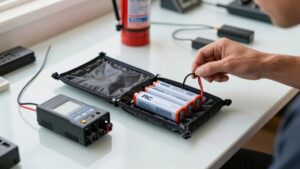
Use a balance-capable checker to read every cell through the balance lead, rather than relying on pack voltage alone; a total reading can conceal an out-of-range cell.
After a run, check the readings before you put the pack away. If a stored cell falls to 3.6 V, restore it to the 3.80 to 3.85 V storage range with a suitable charger. Never deliberately discharge a cell below 3.0 V; set your cutoff high enough to prevent that under load, since voltage can sag during use.
Track cell readings over time, too. A sudden increase in internal resistance can signal deterioration, so assess the pack and its performance before storing it, and follow the charger manufacturer’s guidance if readings differ unexpectedly. Use a quality meter and sound connections.
Puffy Cells and Leaks
Before storing a LiPo, inspect every cell for swelling, leaks, and damaged wires. If a cell looks puffy, treat the pack as irreversibly damaged; swelling signals increased internal resistance. Don’t charge, discharge, repair, or use it again. Isolate the pack from other batteries and combustible materials, and keep it away from people.
Follow local battery-safety guidance while arranging disposal through a battery-recycling center. Don’t puncture, squeeze, or try to drain a damaged cell.
Treat leaking electrolyte as hazardous. Avoid skin or eye contact, keep the pack away from flames, and don’t handle the liquid unnecessarily. Follow local guidance for safe cleanup and disposal; use only recommended protective measures. Don’t place a suspect pack in household waste or leave it where someone might touch it.
Remove Packs From Vehicles
After each run, disconnect and remove the LiPo pack from your vehicle so the ESC can’t slowly drain it below a safe voltage. Don’t leave the battery installed between sessions, even if the model’s switch is off; the ESC may still draw current. Before storage, check the pack and leads for puffing, cuts, or crushed insulation. Don’t store or use a damaged pack.
- Unplug the connector by its housing, not by pulling the wires.
- Check that the pack is cool and dry before putting it away.
- If it’ll sit longer than three days, use your charger’s Storage Mode to set each cell to about 3.80 to 3.85 volts.
- Keep the disconnected pack in a cool, dry place, ideally 40°F to 70°F (5°C to 21°C), away from direct sunlight and heaters.
Check Storage Logs
Keep a storage log with each LiPo pack to track voltage changes and catch problems early. Record the pack’s cell count, the date you placed it in storage, and every cell’s voltage. Aim for 3.80 to 3.85 volts per cell. During storage, check the pack monthly or every couple of months, and note each reading. Don’t let any cell fall below 3.6 volts; investigate a low reading promptly. Record any Storage Mode charge or discharge, then verify at the next check that the pack remains near its target. Note puffing or damaged wires. Mark a pack with either condition unsafe to use or charge, and keep it separate from serviceable packs. Store the log with the batteries so you can spot packs needing attention.
Conclusion
Before storing your RC LiPo packs, let them cool, remove them from the vehicle, and set each cell to the manufacturer’s recommended storage voltage. Check connectors, cell readings, and the case for damage, swelling, or leaks; don’t store a compromised pack. Place healthy batteries in a LiPo-safe container, away from heat and combustible materials. Adjust your routine for cold conditions, and record voltage and inspection results so you can spot changes before your next run.
RC Battery Runtime & Voltage Calculator
Get LiPo or NiMH pack voltage (nominal and full), estimated runtime and C-rating current from cells, mAh, C and average amp draw.
LiPo Charge Time & Charger Wattage Checker
Estimate how long a LiPo pack takes to charge and check whether your charger's watts and amps cover the charge current you enter.